You can walk a single block in River Oaks and see a century of design in motion. If you are sizing up a home to buy or preparing to list, understanding those styles helps you read value, plan upkeep, and make smart renovation choices. In this guide, you will learn how to identify the major architectural styles in River Oaks and adjacent Afton Oaks, what they mean for maintenance and marketability, and how local rules shape what you can change. Let’s dive in.
A quick origin story
River Oaks began in the 1920s as one of Houston’s first planned upscale neighborhoods, with curving streets, landscaped medians, and estate-size lots. Private deed restrictions helped preserve a cohesive look and feel, which mattered even more because Houston does not use conventional zoning. Noted architects, including John F. Staub, designed many early homes, setting a high bar for craftsmanship and proportion. Afton Oaks developed later but shares a high-end, single-family character in many blocks and reflects similar stylistic variety.
Architectural styles you’ll see
Georgian and Colonial Revival
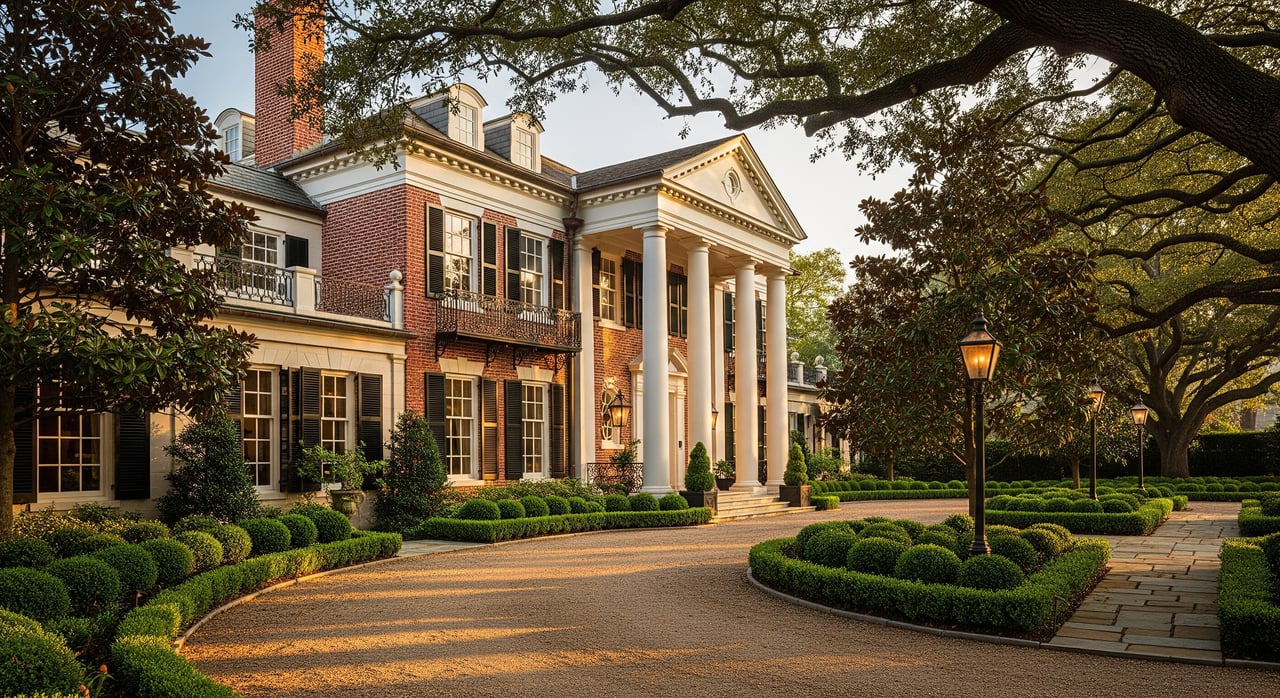
- Symmetrical fronts with a centered door and classical detailing.
- Multi-pane double-hung windows, often with shutters.
- Brick or masonry facades, hipped or gabled roofs.
River Oaks luxury homes project formal curb appeal that many buyers prize. Masonry and traditional millwork are durable, but restoration and additions require careful detailing to keep the proportions right. Interiors are often updated for contemporary living while maintaining the classic exterior.
Mediterranean and Spanish Revival
- Stucco walls and red clay tile roofs.
- Arched doors and windows, wrought iron or carved wood accents.
- Courtyards and tiled entries that blend indoor and outdoor space.
This style fits the climate and offers romantic curb appeal. Tile roofs and stucco need specialist care to handle repairs and moisture management. Buyers drawn to period character often value the original details, and sellers benefit when those elements are well maintained.
Tudor Revival and English Cottage
- Steep gables, prominent chimneys, and arched entries.
- Decorative brickwork, stone, or half-timbering.
- Casement windows that emphasize vertical lines.
Tudor silhouettes are distinctive on curving River Oaks streets. Roofing complexity and chimney flashing need regular attention. Preserving masonry details and trim pays off in marketability for character-focused buyers.
French Eclectic influences
- Steeply pitched roofs with dormers and flared eaves.
- Brick or stone facades, sometimes with round tower elements.
- Formal interior rooms that some owners reconfigure.
These homes balance presence and refinement. Many owners open up floor plans while keeping formal rooms and façades intact. Exterior changes should be sympathetic to rooflines and window patterns to protect curb appeal.
Mid-century Modern and Ranch
- Low-pitched roofs and long, horizontal forms.
- Open plans with large windows and indoor-outdoor flow.
- Brick and wood siding paired with expansive glass.
Postwar homes introduce casual living to River Oaks and Afton Oaks. Some are preserved, while others have been replaced. When original examples remain, buyers often modernize systems and kitchens while celebrating the clean lines and natural light.
Neo-eclectic Traditional, 1980s–2000s
- Larger footprints and formal two or three-story massing.
- Mixed classical references, from columns to pediments.
- Grand entryways and blended exterior materials.
These houses rose amid renovations and tear-downs to deliver more square footage. They can shift the scale of a block, which is part of ongoing neighborhood design conversations. Sellers benefit from measured landscaping and balanced façades that soften massing.
Contemporary luxury infill
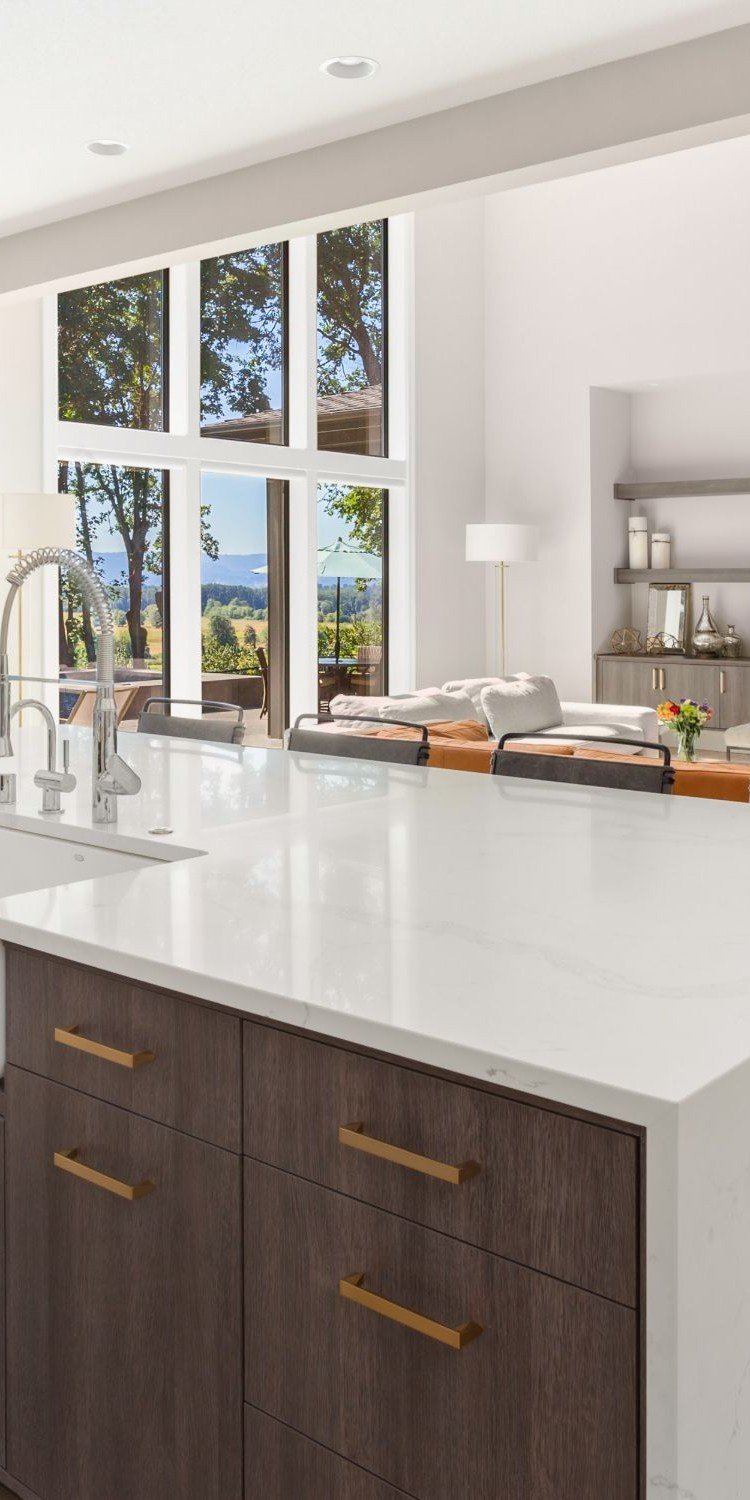
- Clean lines, large glass walls, and flat or low-slope roofs.
- Integrated garages and energy-conscious materials.
- Open interiors with emphasis on light and indoor-outdoor living.
Custom new builds command premiums and respond to current lifestyle needs. They may contrast with historic streetscapes, so siting, setbacks, and façade rhythm matter. Thoughtful design that respects trees and neighboring scale helps projects fit gracefully.
How to read a street
- Rooflines and setbacks: Continuous ridgelines, front setbacks, and garage placement reveal an era’s planning logic and help you spot outliers.
- Materials and entries: Brick vs. stucco, arched vs. rectangular openings, and door surrounds signal style families at a glance.
- Window patterns: Multi-pane double-hung suggests Georgian or Colonial Revival, while large panes and sliders hint at mid-century.
- Lot and landscape: Mature trees, medians, and corner treatments frame homes and influence curb appeal as much as architecture.
Renovation, teardown, and approvals
Because Houston lacks traditional zoning, private deed restrictions and property-owner association rules govern much of what you can build or alter in River Oaks. The River Oaks Property Owners Association enforces setbacks, footprints, and other key controls that maintain neighborhood character. The City of Houston still requires building permits and reviews, and some properties or areas may carry local historic designations that trigger extra oversight for exterior changes. Tree removal, lot grading, and stormwater or flood work can involve additional reviews, so many owners consult architects and permitting specialists familiar with local processes.
Teardowns are part of the market, especially when buyers want larger footprints and modern plans. If you plan a teardown or a major addition, consider how massing, siting, and façade rhythm will meet deed restrictions and blend with the street. Early communication with the association and neighbors can smooth the path and protect long-term value.
Value signals in Afton Oaks and River Oaks
Architectural style influences marketability, but it is one piece of the value picture. Lot size, location within the neighborhood, and proximity to amenities like private clubs, museums, and Memorial Park often drive price more than style alone. Well-maintained period homes attract buyers who want authentic character, while contemporary new builds appeal to those prioritizing new systems, open layouts, and glass. Both categories perform well when craftsmanship, site design, and maintenance are strong.
Care and maintenance by style
- Tile roofs and stucco: Plan for specialist inspections and repairs to manage moisture and preserve finishes.
- Brick and limestone trim: Check mortar joints, lintels, and sealants to prevent water intrusion and staining.
- Wood trim and windows: Maintain paint cycles and repair rather than replace when feasible to retain character.
- Chimneys and flashing: Watch transitions at steep roofs, especially on Tudor and French-inspired designs.
- Leaded or specialty glass: Factor in custom glazing expertise for repairs.
If you are budgeting, get quotes from qualified local trades who know historic and high-end materials. Sellers who handle deferred maintenance before listing often see stronger offers and smoother inspections.
Buyer checklist
- Identify the style: Note roof pitch, window patterns, and façade symmetry to understand the home’s era and likely materials.
- Assess updates: Ask which systems are modernized versus original, and whether exterior work respected deed restrictions.
- Evaluate expansion potential: Review setbacks, lot coverage, and trees to see what kind of addition or pool is realistic.
- Plan due diligence: Confirm permit history, check any local historic designations, and evaluate flood considerations with official maps and disclosures.
Seller checklist
- Preserve signature elements: Maintain façades, roofs, and entry details that define your style category.
- Right-size improvements: Kitchens, baths, and mechanical upgrades that respect exterior character resonate with buyers.
- Elevate presentation: Balanced landscaping and lighting that match the architectural period can lift curb appeal.
- Prepare documents: Have maintenance records, permit history, survey, and any association approvals ready for buyers.
Curb appeal that fits the style
- Georgian and Colonial Revival: Keep crisp paint on trim, prune hedges to emphasize symmetry, and use classic hardware.
- Mediterranean and Spanish Revival: Refresh stucco finishes, repair tile as needed, and use warm-toned lighting.
- Tudor and French-influenced: Highlight entry arches, maintain masonry patterns, and frame the façade with scaled plantings.
- Mid-century and Contemporary: Preserve clean lines, simplify landscape forms, and avoid cluttering glass expanses.
The bottom line
River Oaks and Afton Oaks are defined by layered architectural history, thoughtful private controls, and a market that values both authenticity and modern comfort. If you align design choices with your home’s style and the neighborhood’s rhythm, you protect curb appeal and long-term value. Whether you are buying a vintage classic or building a contemporary statement, the right guidance helps you navigate rules, budgets, and presentation. To plan your next move with a trusted local expert, connect with Nancy Almodovar.
FAQs
What architectural styles are most common in River Oaks?
- You will see early 20th-century revival styles like Georgian or Colonial Revival, Mediterranean or Spanish Revival, Tudor, and French-influenced homes, along with mid-century, neo-eclectic, and contemporary infill.
How do River Oaks deed restrictions affect renovations?
- Private deed restrictions, enforced by the property owners association, regulate setbacks, footprints, and sometimes design details, so exterior changes and additions typically require review in addition to city permits.
Is a teardown a typical path in River Oaks and Afton Oaks?
- Yes, in high-value pockets where buyers want larger, modern homes, teardowns occur, but scale, siting, trees, and neighborhood character should guide new design to fit the street.
Can I modernize a historic façade in River Oaks?
- Many owners update interiors while keeping façades intact; exterior changes may require association review and, if locally designated, historic commission oversight, so plan sympathetic design and approvals.
What upkeep should I expect with a Mediterranean tile roof?
- Clay tile needs specialist inspections and repairs to manage moisture and flashing details, which helps preserve both performance and curb appeal over time.
How do I check flood considerations before buying in River Oaks?
- Review FEMA and Harris County flood maps, examine seller disclosures, and evaluate site drainage; your inspector and local pros can help interpret findings for the specific lot.