Thinking about building or buying a new home in River Oaks? You want timeless architecture, privacy, and modern comfort that stands up to Houston’s climate. This guide breaks down the new construction trends shaping the neighborhood so you can plan with confidence, from deed restrictions and site design to wellness tech and resale strategy. Let’s dive in.
Market drivers and rules
River Oaks is one of Houston’s most established luxury areas, mixing historic estates with high-end infill. New builds typically replace older homes and lean into privacy, quality finishes, and proximity to business and cultural districts.
Houston does not have citywide zoning. In River Oaks, deed restrictions, platting, and building codes guide what you can build, how it sits on the lot, and the exterior language. Always confirm deed restrictions and any architectural review requirements early.
Post–Hurricane Harvey floodplain updates influence foundations, finished-floor heights, drainage, and permitting. New construction often features raised finished floors and engineered site drainage that move water away from the home and help with insurance and resilience.
Lots, massing, and site planning
Parcel sizes vary widely, from large estate lots to smaller subdivided parcels. Most projects work within existing lot proportions and neighborhood controls. The common pattern is tear-down plus new construction, with massing tailored to fit the block.
Massing moves that work
- Vertical density across two to four stories to maximize livable square footage without overwhelming the street.
- Courtyards, light wells, and side or rear loggias to bring light and air into deeper floor plates.
- Rooflines and street rhythm that respect neighboring heights and the established streetscape.
Site priorities
- Preserve mature trees and canopy for character and long-term value.
- Design on-site detention, permeable paving, and graded drainage for stormwater management.
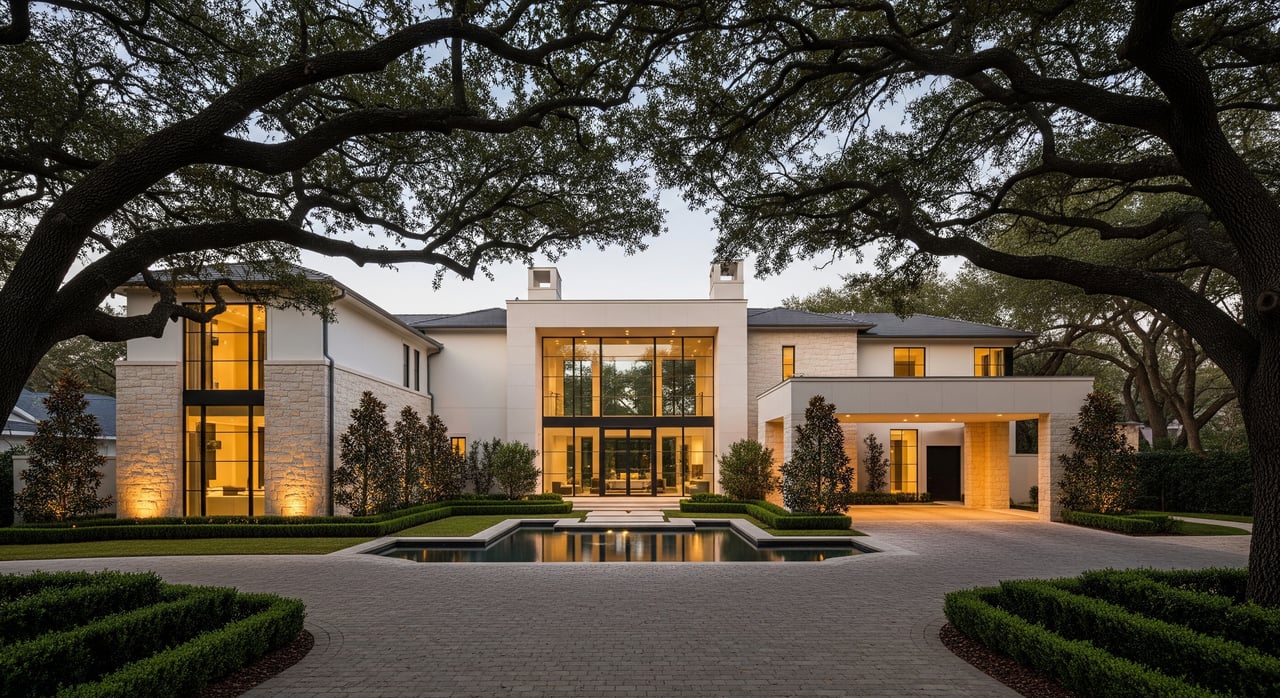
- Layer privacy and security with hedges, setbacks, and controlled entries. Many luxury builds include motor courts and discreet guest parking to keep façades clean.
Architecture and indoor-outdoor living
Transitional and contemporary-classic designs lead current luxury builds. You often see clean-lined forms with traditional proportions, large glazed openings, and material mixes like masonry, stucco, stone, and metal. Select historic references help new homes feel at home on the block.
Indoor-outdoor integration is a must. Oversized sliding or folding glass walls, pocket doors, and corner glazing create seamless flow to covered outdoor rooms. Outdoor kitchens, fireplaces, and temperature-controlled poolspas support year-round living and entertaining.
Climate-smart details such as deep overhangs, shade structures, high-performance glazing, and strategic landscaping reduce solar gain while maintaining comfort and style.
Wellness and smart systems
Luxury buyers prioritize wellbeing at home. Dedicated fitness studios, spa baths with steam or sauna, and recovery features like cold-plunge setups are increasingly common. Daylighting strategies and biophilic touches, such as indoor planters or green walls, support comfort and calm.
Whole-home automation is expected at this level. Platforms that integrate lighting, shading, HVAC, security, and AV offer app-based control with robust wired backbones for speed and reliability. Security often includes integrated cameras, access control, and visitor management.
Connectivity matters. Distributed Wi-Fi, low-voltage conduits, and rooms designed for remote work ensure performance now and flexibility later.
Energy resilience and sustainability
Resilience is top of mind. New builds increasingly include solar-ready or solar plus battery storage for essential circuits, often paired with a whole-house generator. EV-ready garages with dedicated circuits are standard planning.
High-efficiency HVAC, zoning, and in some cases VRF systems improve comfort and reduce operating costs. Low-VOC finishes, mechanical ventilation, and humidity control help manage Houston’s humid climate and indoor air quality.
If you are adding solar or advanced electrical systems, confirm local utility programs, interconnection rules, federal incentives, and permitting timelines during planning.
Finishes and features buyers expect
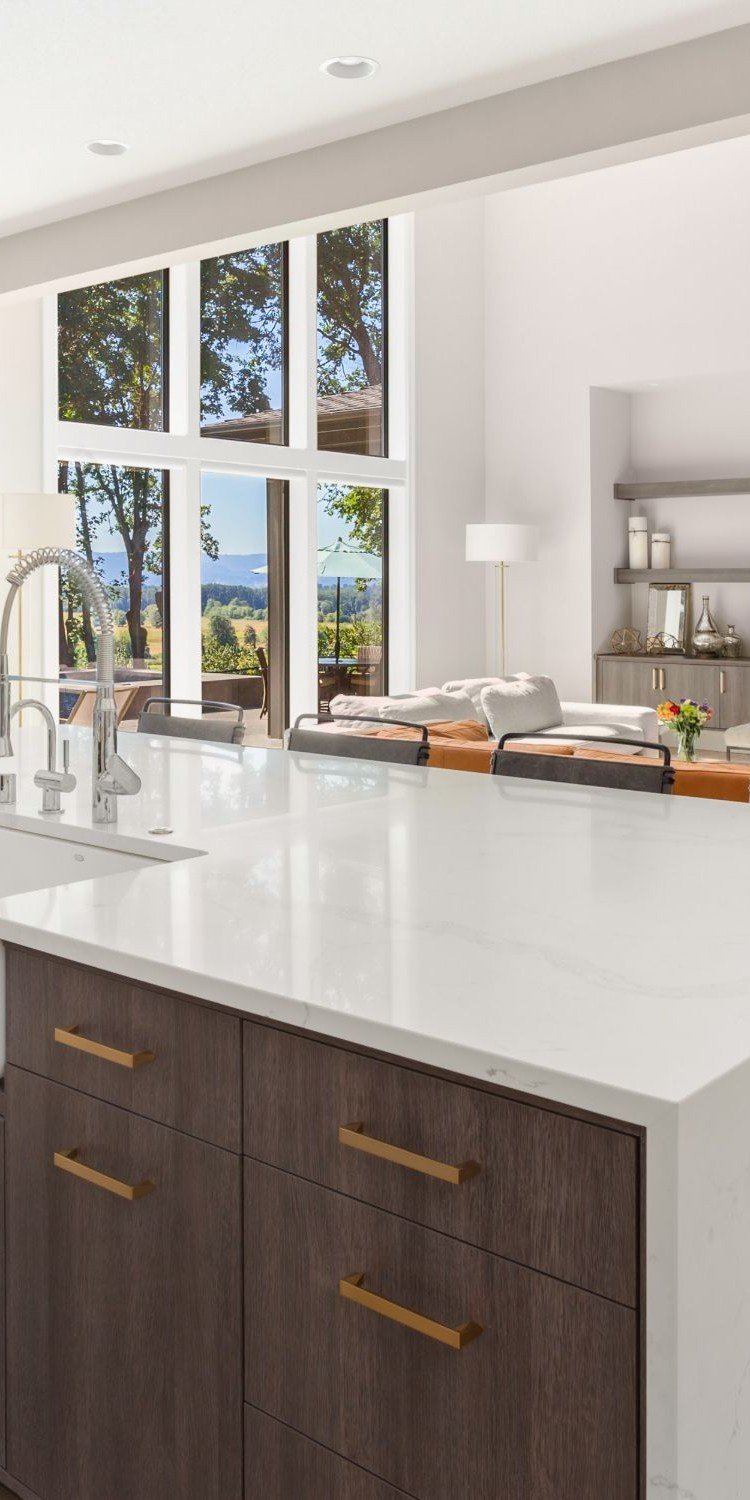
Kitchens are showcase spaces with full-height backsplashes, layered lighting, waterfall islands, and integrated refrigeration from luxury brands. Custom cabinetry with appliance garages keeps counters minimal and functional.
Primary baths favor freestanding tubs, multi-head showers, heated floors, and custom millwork. Throughout, you will see natural stone, large-format porcelain tile, engineered woods, and bespoke metalwork. Matte black and warm brass fixtures remain popular.
Interior architecture typically includes tall ceilings where allowed, wide-plank hardwood floors, built-ins, and flexible rooms that convert from office to guest suite as needs change. Behind the scenes, high-performance windows, insulated roof assemblies, and strong air barriers deliver quieter, more comfortable homes.
Serviceability matters for long-term satisfaction. Mechanical closets, accessible panels, and planned equipment access make maintenance easier and protect value.
Resale strategy in River Oaks
Align scale and exterior language with the character of the block. Homes that feel proportionate tend to attract a broader buyer pool and enjoy smoother resale.
Prioritize flexible floor plans with well-defined zones for daily living, guests, and work. Strong indoor-outdoor flow, privacy measures, and discreet security elevate appeal.
Invest in curb appeal. Preserving mature landscaping and refining the front approach often deliver an outsized return compared with purely interior upgrades.
Premium systems like solar plus battery, smart home integration, and high-efficiency HVAC provide differentiation. Quality execution and seamless integration are key.
Developer checklist
- Verify deed restrictions, plats, setbacks, allowable height, and exterior controls before design.
- Confirm FEMA and City elevation requirements, stormwater detention, and tree protection.
- Pre-wire for whole-home automation, structured networking, EV charging, and solar or battery readiness.
- Design for serviceability with accessible equipment locations and, where possible, separate service entries.
- Coordinate early with interior designers and specifiers to align finishes with buyer tastes and manage lead times on premium materials and appliances.
- Engage local broker expertise for pre-market feedback on features and pricing.
How to move forward
If you are buying, evaluate how well a home balances street presence with indoor-outdoor flow, privacy, and resilience. Look for high-performance systems that fit Houston’s climate and confirm that finishes and floor plans are both timeless and adaptable.
If you are developing, align massing and materials with the streetscape, safeguard trees, and plan for drainage and elevation requirements from day one. Pre-wire for tech, electrification, and future upgrades to protect your investment.
When you are ready to position a new build or purchase with confidence in River Oaks, partner with a team that understands luxury buyer expectations, pricing strategy, and global distribution. Work directly with Nancy Almodovar, a trusted luxury real estate agent in Houston, to align features with market demand and present your property at its highest level.
FAQs
Can I split a River Oaks lot to build two homes?
- Possibly. Deed restrictions, platting, and utility constraints often control splits, so confirm deed restrictions, review county plat records, and involve land-use counsel early.
How do floodplain rules affect new construction in Houston?
- Expect raised finished-floor elevations, engineered site drainage, and materials that handle moisture on lower levels to meet City and FEMA requirements and improve resilience.
Which indoor-outdoor features matter most in River Oaks?
- Large sliding or folding glass walls, covered outdoor rooms, outdoor kitchens, fireplaces, and well-lit landscapes with pool or spa elements that support year-round living.
What smart home and backup power options are typical?
- Whole-home automation for lighting, shading, HVAC, security, and AV, plus solar-ready or solar plus battery systems often paired with whole-house generators; EV-ready garages are standard planning.
Which upgrades add the strongest resale value in River Oaks?
- High-caliber kitchens and baths, seamless indoor-outdoor connections, privacy and security layers, and preserved mature landscaping; avoid overly niche design choices to keep broad appeal.