If you are looking at a teardown opportunity in Tanglewood, the biggest question is often not What is this house worth? but What is this lot really worth? In a neighborhood where older ranch homes on oversized lots are often replaced by new construction, reading lot value takes more than glancing at the asking price. You need to understand how land is appraised, how section-level differences affect buildability, and how trees, setbacks, and approvals can change the economics of a project. Let’s dive in.
Why lot value matters in Tanglewood
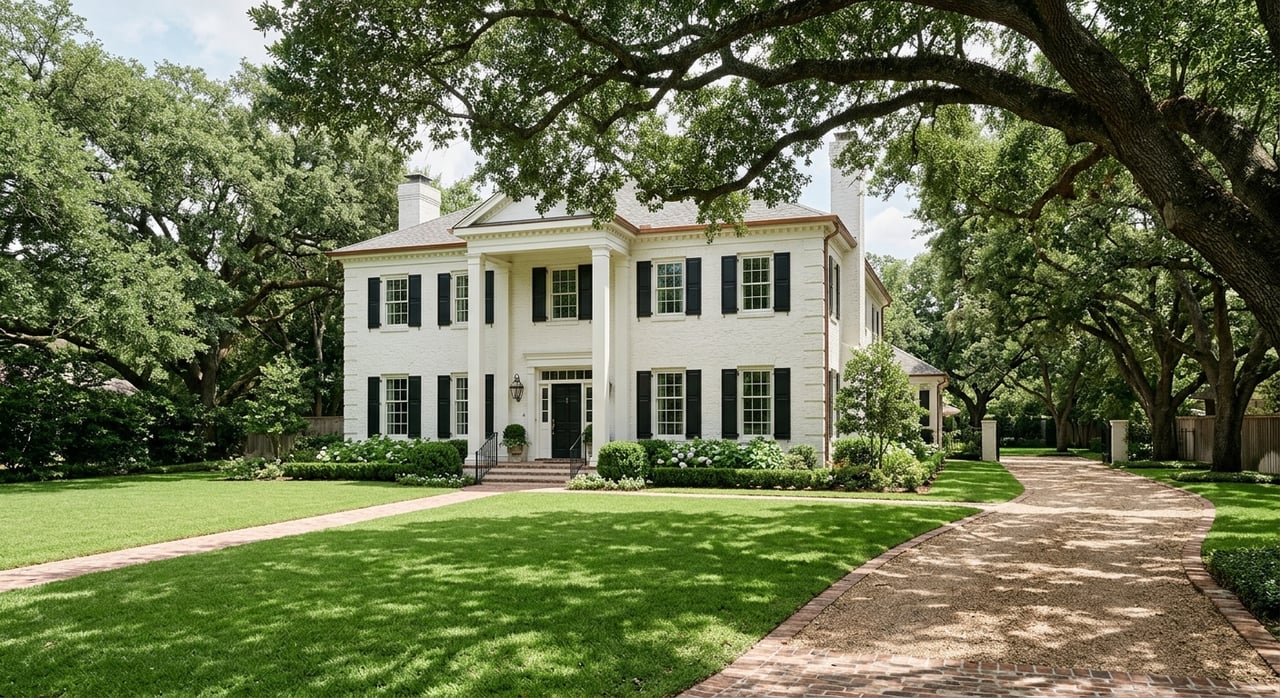
In Tanglewood, lot value matters because the site itself may be driving the purchase more than the existing structure. The Tanglewood Homes Association notes that the neighborhood began in 1949 with ranch-style homes on oversized lots, and that older homes are being replaced by new homes. That makes Tanglewood a clear example of a neighborhood where buyers may be valuing the land for redevelopment potential rather than the current house. See the THA's overview of construction and neighborhood context.
That idea also aligns with how the Harris Central Appraisal District reads property value. According to HCAD’s cost approach to value for single-family property, real property is appraised at January 1 market value, reappraised annually, and analyzed through separate land and improvement values. When the most profitable and practical use of a property becomes teardown and rebuild, more of the value can shift toward the land.
How HCAD reads land and improvements
HCAD separates a property into two broad parts: land value and improvement value. Land value reflects the site itself, while improvement value reflects the home and other structures after depreciation. In practical terms, that means an older house can contribute less to the total value if the market sees the lot as the real opportunity.
This distinction matters even more in transitional luxury neighborhoods. HCAD explains in its discussion of neighborhoods in transition that highest and best use can influence value when rebuilding becomes the most practical and profitable path. For a buyer or builder in Tanglewood, that framework helps explain why a dated home on a strong lot may still command a premium.
Use neighborhood data as context
Tanglewood’s broader market numbers help frame the conversation, but they should not replace property-specific analysis. HCAD places Tanglewood in Residential Market Area 100 with Galleria and Briargrove, and HAR’s 2025 neighborhood facts show 1,181 single-family properties, a median lot size of 16,500 square feet, a median year built of 1990, a median appraised value of $2.299 million, a median market value of $2.438 million, and a median sold price per square foot of $481.03. According to the same HCAD reappraisal plan document, these figures offer useful market context.
Realtor.com’s March 2026 snapshot adds another layer, showing a median listing price of $2.7 million, 32 homes for sale, and a median price per square foot of $535. Those numbers suggest strong pricing support in the neighborhood, but they do not tell you how much of a specific property’s value comes from the lot versus the house.
Why section-level comps matter more
Tanglewood is not one-size-fits-all. The Tanglewood Homes Association states that the neighborhood has 23 sections, and while deed restrictions are mostly similar, there are minor differences by section. You can review that framework on the THA’s deed restrictions page.
For that reason, section-level comps often matter more than broad neighborhood averages. A lot’s exact plat, frontage, setbacks, and tree conditions can materially affect what can be built. Two homes with similar square footage may have very different lot value if one site offers a cleaner building envelope than the other.
Buildability shapes lot value
Houston does not have a citywide zoning ordinance, but that does not mean a lot can be developed without limits. The City of Houston regulates land development through subdivision review, setbacks, building lines, access, parking, and tree and shrub requirements, as outlined in the city’s development regulations. In Tanglewood, those city rules work alongside neighborhood-specific requirements.
THA adds another layer of control. The association states that lots are limited to residential use and that restrictions govern setbacks, roof and wall materials and colors, garage orientation, fencing height and location, driveway entry, and signage. THA also says any work outside the home requires its approval.
That means lot value is not just about size. It is about how much of the site can actually be used for the home you want to build.
Frontage can change the math
One of the most important details in Tanglewood is frontage. Under THA’s Tree Preservation Policy, lots with 65 feet of front width or less are treated as small lots, while lots with more than 65 feet of front width are treated as large lots. The minimum tree requirements differ based on that classification.
That 65-foot cutoff can have a real impact on lot value because tree replacement obligations and site planning constraints may differ depending on category. For buyers evaluating a teardown, frontage is not just a measurement on a survey. It is a variable that can affect cost, timeline, and usable design options.
Trees can add beauty and complexity
In Tanglewood, mature trees are a defining feature of the streetscape, but they can also affect redevelopment strategy. THA says its tree policy augments, rather than replaces, the City of Houston’s tree requirements. It applies to new home construction, major remodeling, and razing, and it covers the front setback area on interior lots and the front plus street-side setback areas on corner lots.
THA also states that a protected tree may be removed if it is diseased or within 15 feet of the proposed foundation, but a circular drive alone is not enough justification. On top of that, the City of Houston’s tree and shrub ordinance sets standards for planting and buffers, and the Houston Permitting Center says a permit is required to remove any tree on city property or on a setback. The city process also requires a public posting period before removal and calls for a landscape plan showing existing and proposed trees, utilities, and related site features.
In other words, trees can influence lot value in two ways. They may enhance the site’s appeal, but they may also constrain the footprint or increase pre-construction work.
Signs a lot may support new construction
Several factors can point toward a teardown or new-build opportunity in Tanglewood. Based on HCAD’s land-value framework and THA’s buildability rules, buyers often look for:
- An implied land value that is close to or above the value of the existing house
- A home that is structurally obsolete or has a layout that no longer fits market expectations
- Enough frontage and buildable area for the intended plan
- A tree and easement setup that still allows the desired footprint
When these conditions align, the land may be doing most of the economic work in the transaction.
When renovation may make more sense
Not every older home in Tanglewood should be treated as a teardown. In some cases, renovation may be the better path if the existing structure is strong, the layout still works, or a rebuild would be made unusually difficult by tree, setback, or easement constraints.
In practical terms, the decision is often less about whether the land is valuable and more about how much of that land can actually be used after approvals and site conditions are factored in. That is why a careful review of the survey and neighborhood rules is so important before you assign a premium to the lot.
A practical due diligence checklist
Before you buy a lot for a new build in Tanglewood, it helps to review the site through a disciplined lens. THA and city guidance suggest focusing on these items early:
- Confirm the exact THA section for the property
- Review the survey for setbacks, easements, and tree locations
- Check whether protected trees sit in the front setback or right of way
- Confirm whether a city tree permit is required
- Verify whether demolition or exterior work triggers THA’s builder deposit agreement
- Determine whether a topo survey or other approvals will be needed
THA notes that its builder deposit agreement applies to exterior construction over $25,000 and all pools, along with other approval-related requirements listed on its deed restrictions and construction resources.
Read the lot before you price the project
In Tanglewood, lot value is rarely just about square footage. It is shaped by HCAD’s land-versus-improvement framework, section-specific restrictions, frontage, setbacks, tree requirements, and the practical buildable envelope. If you are evaluating a new-build opportunity, the smartest approach is to read the lot first and the house second.
That kind of analysis can help you avoid overpaying for a site that looks promising on paper but is constrained in practice. If you want a more strategic read on Tanglewood land value, redevelopment potential, or luxury new construction positioning, connect with Nancy Almodovar.
FAQs
How does HCAD measure lot value in Tanglewood?
- HCAD separates land value from improvement value and reappraises real property at January 1 market value each year. When teardown and rebuild becomes the highest and best use, more of the property’s value can shift toward the land.
Why do section-level differences matter for Tanglewood lot value?
- THA says Tanglewood has 23 sections with mostly similar deed restrictions but some minor differences. Those differences can affect frontage, setbacks, and other site characteristics that influence buildability and value.
What lot features most affect new-build potential in Tanglewood?
- Frontage, setbacks, easements, and tree placement are some of the most important factors because they affect the buildable envelope and the approvals needed before construction.
How do tree rules affect a teardown lot in Tanglewood?
- THA’s tree policy and the City of Houston’s tree regulations can affect what trees may stay, what may be removed, and what replacement planting or permits may be required.
When is a Tanglewood property more about the land than the house?
- A property may trade more as a land play when the existing home is obsolete, the implied land value is high relative to the structure, and the site supports the intended new-build footprint.