Trying to choose between a high-rise condo and a townhome in the Afton Oaks and River Oaks area? You are not alone. Buyers here want a refined lifestyle, low-stress ownership, and a smart long-term investment. In this guide, you will compare space, services, maintenance, costs, flood risk, and resale so you can decide with confidence. Let’s dive in.
Neighborhood snapshot
River Oaks and nearby Afton Oaks are among Houston’s most established central neighborhoods. You will find mature trees, boutique shopping and dining, and quick access to Downtown, the Medical Center, and the Galleria. Limited land for new single-family homes has encouraged townhome infill and kept demand steady for luxury mid to high-rise condominiums.
What a high-rise condo means here
A high-rise condo is individually owned, with common areas like lobbies, elevators, and the exterior maintained by a condominium association. Near River Oaks, these buildings often include concierge or doorman services, fitness centers, pools, and garage parking. Private outdoor space is usually a balcony or terrace rather than a yard. Buyers who value turnkey, amenity-rich living and minimal exterior maintenance often prioritize this option.
What a townhome means here
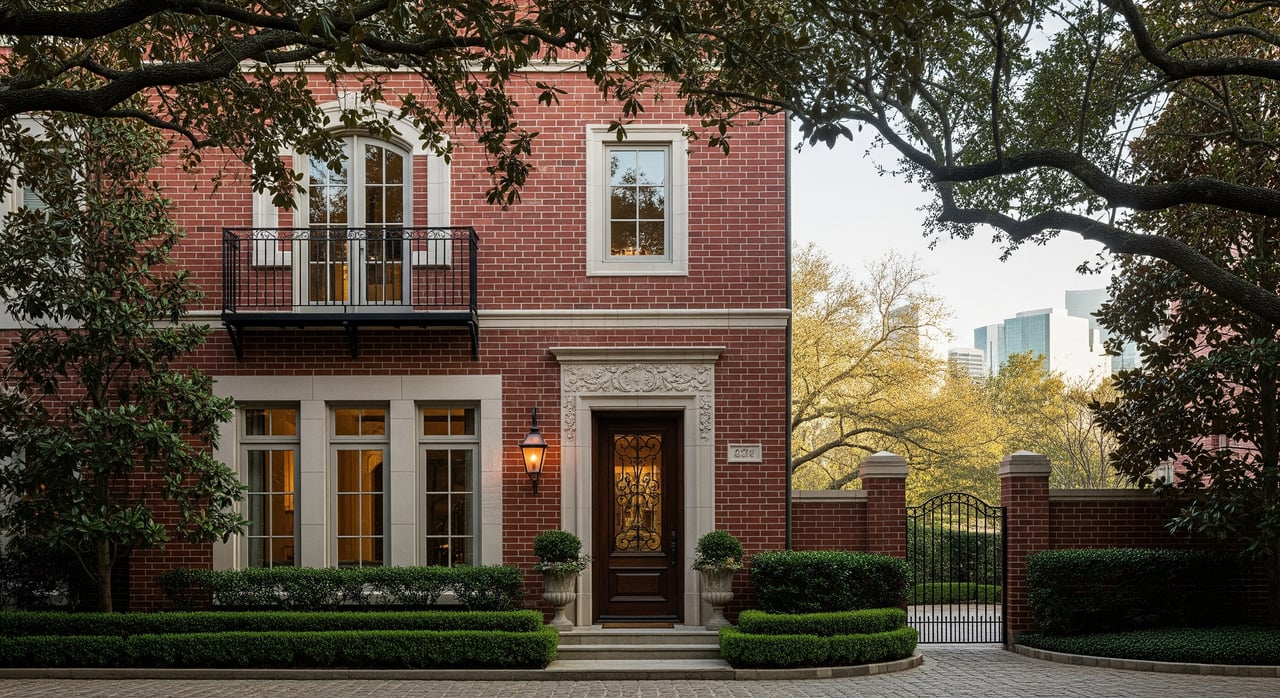
Townhomes in this area are commonly fee-simple homes where you own the lot and the structure, although some are set up as condominiums. Many offer multiple stories, private garages, small yards or rooftop terraces, and more interior square footage than typical condos. HOAs may maintain shared drives or limited landscaping, but full-service amenities are uncommon. Buyers who want multi-level living, more privacy, and private outdoor space often prefer this path.
Side-by-side: how you live
- Space and privacy: Townhomes usually feel closer to a single-family home, with more separation between rooms and levels. Condos are often single-level and simpler to maintain.
- Outdoor access: Townhomes tend to offer patios, yards, or rooftop terraces. Condos rely on building amenities and smaller balconies for outdoor time.
- Services and convenience: High-rises commonly offer concierge, security, fitness, pools, and guest parking. Townhome communities may have gates and basic common-area care, but you will not typically see full-service staffing.
Maintenance and HOA responsibilities
- Condos: The association handles exterior and common areas. You are responsible for the interior and pay monthly dues that fund operations, insurance for the building’s envelope, and reserves.
- Townhomes: If fee-simple, you generally maintain your roof, exterior, and yard unless the HOA specifies otherwise. Dues may be lower than high-rise fees, but it varies by community.
- Reserves and assessments: For both options, review association financials. Older buildings or communities with deferred work can levy special assessments for items like roofs, facades, or elevators.
Costs, taxes, insurance, and financing
- Total monthly cost: Compare mortgage, property taxes, HOA or condo dues, insurance, utilities, and expected maintenance. High-rises often have higher monthly dues because of amenities and staffing.
- Taxes: The same taxing authorities apply. If eligible, apply for a Texas homestead exemption through the county appraisal district to reduce your tax burden.
- Insurance: Condo owners typically carry an HO-6 policy for the interior and contents, and should confirm what the master policy covers. Townhome owners usually need an HO-3 or similar policy, often with greater exterior coverage. Flood insurance is separate and frequently required in Houston depending on floodplain status and lender rules.
- Financing: Some lenders have stricter underwriting for high-rise condos. Building approval status, owner-occupancy ratios, and any litigation can affect loan options and rates. Fee-simple townhomes commonly qualify like single-family homes.
Resale and buyer pool
- High-rises: Resale values depend on building reputation, management, and location. Amenity-rich, well-managed buildings often attract downsizers, professionals, and seasonal residents.
- Townhomes: Demand is strong for well-located homes with garages and private outdoor areas, especially as single-family land remains limited. New construction can compete with boutique high-rises for attention.
Leasing and investor notes
Always verify HOA or condo rules. Some communities restrict rentals through caps or minimum lease terms. Higher condo dues can reduce net rental yield, while townhomes may carry lower fees but higher maintenance. Rules also influence financing and buyer demand.
Flood risk: what to check in Houston
Flood risk in Houston is highly localized. Parts of River Oaks show lower risk compared to other areas, yet exposure can vary block by block. Review FEMA Flood Insurance Rate Maps, Harris County Flood Control resources, seller disclosures, and any elevation certificates. Expect lenders to require flood insurance if a property is within a mapped floodplain, and consider it even outside those zones based on your risk tolerance.
Due diligence checklist for Afton Oaks and River Oaks
- Obtain and review association documents: declarations, bylaws, budget, reserves, meeting minutes, rules, and insurance certificates.
- Verify legal structure: fee-simple or condominium, and confirm maintenance responsibilities in writing.
- Confirm flood risk: check FEMA and county flood control maps, seller disclosures, and any elevation certificates.
- Ask about assessments and projects: special assessments, pending litigation, and upcoming major work like roofs, facade, or elevator modernization.
- Check financing conditions: building approval status and any requirements for FHA or VA buyers if that affects your buyer pool or exit strategy.
- Compare total cost of ownership: mortgage, property taxes, HOA or condo fees, utilities, insurance, including flood, and routine maintenance.
- Review parking: number of deeded or assigned spaces, EV readiness, and guest parking policies.
- Prepare to sell: gather HOA documents, address deferred items, and spotlight amenities or recent capital improvements.
- Confirm leasing rules: short-term and long-term, including any rental caps.
- Consult a local real estate attorney for complex declarations or ambiguous maintenance language.
Which option fits you
- You prioritize turnkey living, travel often, or want consistent services and security: a high-rise condo may align with your lifestyle.
- You want more private space, multi-level living, a garage, and outdoor areas with less yard work than a detached home: a townhome may be the better fit.
- You are an investor: focus on leasing rules, fee structures, and maintenance to understand true yield. Confirm lender requirements and resale dynamics for your hold period.
Seller tips that add value
- For condo sellers: Highlight full-service amenities, concierge, security, guest parking, recent capital projects, and strong association management. Provide clear information on dues, inclusions, and reserves.
- For townhome sellers: Clarify what the HOA covers vs what you maintain, emphasize private outdoor space and garage capacity, and address roof or exterior items pre-listing. Provide current rules, budgets, and any improvements that reduce buyer uncertainty.
Your next steps
- Review current neighborhood figures through trusted local sources such as the Houston Association of Realtors and the county appraisal district. Ask for recent sales and building information specific to your short list.
- Tour both property types back-to-back to compare layouts, sound transfer, elevator wait times, garage access, and neighborhood feel.
- Request association documents early in your process, confirm flood status, and price out total monthly costs including insurance.
- Speak with your lender about building or project approvals and rates for condos versus townhomes.
- For complex associations or unique declarations, consider a consultation with a local real estate attorney.
Ready to see the best options in the Afton Oaks and River Oaks area? For curated tours, data-driven pricing, and white-glove guidance, connect with Nancy Almodovar.
FAQs
Which is more affordable monthly in River Oaks and Afton Oaks?
- Compare total costs: mortgage, property taxes, HOA or condo dues, insurance including flood, utilities, and expected maintenance. High-rises often have higher dues, while townhomes may have more maintenance.
Who handles a roof leak in a condo or townhome here?
- In condos, the association is usually responsible for the building envelope, while interiors are on the owner; in townhomes, it depends on the legal setup and HOA rules, so check the declarations.
How do commutes and walkability differ near River Oaks?
- Both options are centrally located; high-rises near commercial corridors may offer greater on-site convenience, while townhomes feel more residential yet still sit close to shopping and dining.
Is flood insurance required for properties in this area?
- Requirement depends on floodplain designation and your lender; verify through FEMA and county flood resources, plus seller disclosures and any elevation certificates.
Can I rent out a River Oaks or Afton Oaks condo or townhome?
- It depends on the association’s leasing restrictions, including any rental caps or minimum terms, so review the governing documents before you buy.
Do high-rise condos appreciate as well as townhomes locally?
- Appreciation depends on building condition, management, location, and market cycles; use recent comparable sales for the specific building or townhome community you are considering.